Household Precios de la electricidad en Europe (2026)
European households paid an average of €0.2832 per kWh for electricity in the first half of 2026, per Eurostat — but the spread is enormous: from €0.1139 in Hungría to €0.3871 in Irlanda. EnergyPrices Europe tracks the all-in price, standing charges, typical bills y the generation mix behind them, for all 27 EU members plus the Reino Unido, Noruega y Suiza.
Por el equipo editorial de EnergyPrices Europe · Actualizado en noviembre de 2026
Cifras clave de un vistazo
| European household electricity | Price per kWh (taxes incl.) | Factura anual con 3,500 kWh |
|---|---|---|
| EU-27 average, first half of 2026 | €0.2832 | €991 |
Per Eurostat — Estadísticas de precios de la electricidad, first half of 2026 (band DC, 2,500–5,000 kWh/year). Highest: Irlanda €0.3871. Lowest: Hungría €0.1139.
Electricity prices by country
Every guide follows the same structure: the verified per-kWh price, what the price is made of, standing charges, typical annual bills at several consumption levels, the energy mix that drives the wholesale cost, y how to cut your bill. Start with your country:
Irlanda
€0.3871/kWh (Eurostat H1 2026) — EU's most expensive household power; gas-exposed island market with world-class wind.
Alemania
€0.3618/kWh (Eurostat H1 2026) — Second priciest in the EU; 58% renewables, high grid costs y a 34% tax wedge.
Bélgica
€0.3575/kWh (Eurostat H1 2026) — Nuclear plus gas with region-heavy system costs; third highest in the EU.
Austria
€0.3260/kWh (Eurostat H1 2026) — 90.8% renewables — the EU's greenest grid — but alpine network costs push prices up.
Italia
€0.3142/kWh (Eurostat H1 2026) — Hydro, solar y a gas marginal; system charges y 25% tax wedge.
Suecia
€0.3062/kWh (Eurostat H1 2026) — Four price zones, hydro y nuclear; the south pays Nordic premium rates.
Polonia
€0.2999/kWh (Eurostat H1 2026) — EU's highest tax wedge (47%) y a grid in transition from coal to solar y wind.
Chequia
€0.2884/kWh (Eurostat H1 2026) — 40% nuclear Temelín/Dukovany; prices eased 9% year on year.
Rumanía
€0.2836/kWh (Eurostat H1 2026) — The EU's sharpest increase (+48% interanual) as price caps wound down in 2025.
Finlandia
€0.2694/kWh (Eurostat H1 2026) — Olkiluoto 3's nuclear era; prices rebounded 18% in a wind-hydro market.
Chipre
€0.2688/kWh (Eurostat H1 2026) — Island grid: oil-to-gas generation y rising solar, no interconnectors yet.
España
€0.2509/kWh (Eurostat H1 2026) — Solar superpower at 60.7% renewables; hourly PVPC pricing for regulated users.
Francia
€0.2485/kWh (Eurostat H1 2026) — 67% nuclear y a regulated tariff keep Francia 12% below the EU average.
Países Bajos
€0.2440/kWh (Eurostat H1 2026) — Net-negative effective taxes: the state pays part of household electricity bills.
Letonia
€0.2415/kWh (Eurostat H1 2026) — Daugava hydro plus Baltic synchronisation with the continental grid in 2025.
Grecia
€0.2401/kWh (Eurostat H1 2026) — 60.9% renewables y colour-coded tariffs make comparing easy.
Dinamarca
€0.2375/kWh (Eurostat H1 2026) — The EU's biggest price fall (−32% interanual) in a wind-dominated system.
Portugal
€0.2367/kWh (Eurostat H1 2026) — 65.6% renewables in the MIBEL market shared with España.
Lituania
€0.2162/kWh (Eurostat H1 2026) — Post-Ignalina wind y solar boom; 59.9% renewables y rising.
Estonia
€0.2118/kWh (Eurostat H1 2026) — Oil shale out, wind in; synced to the continental grid in February 2025.
Eslovenia
€0.2118/kWh (Eurostat H1 2026) — Krško nuclear y alpine hydro keep Eslovenia 25% below average.
Luxemburgo
€0.2023/kWh (Eurostat H1 2026) — Prices fell 24% interanual — the EU's second-largest drop — as surcharges rolled off.
Eslovaquia
€0.1985/kWh (Eurostat H1 2026) — 60.6% nuclear — the EU's second-highest share — with regulated household prices.
Croacia
€0.1816/kWh (Eurostat H1 2026) — Hydro y Krško nuclear; prices rising as crisis caps roll off.
Bulgaria
€0.1341/kWh (Eurostat H1 2026) — Third cheapest in the EU on regulated prices y Kozloduy nuclear.
Malta
€0.1268/kWh (Eurostat H1 2026) — Second cheapest: subsidised tariffs, gas y the Sicily interconnector.
Hungría
€0.1139/kWh (Eurostat H1 2026) — The EU's cheapest electricity: capped universal tariff since 2013.
The UK
26.32p/kWh (Ofgem cap Q4 2026) — Ofgem's quarterly cap: 26.32p/kWh y a 54.83p daily standing charge.
Noruega
€0.1993/kWh (Eurostat H1 2026) — Near-100% hydro with state support when spot prices spike; Europe's biggest users.
Suiza
~27.7 Rp/kWh (ElCom 2026) — Municipal tariffs, ~60% hydro y ~28% nuclear; median 27.7 Rp/kWh in 2026.
Comparar all 30 European markets
The table below ranks EU members by the all-in household price per Eurostat (2026-S1, band DC, taxes included), with the three non-EU markets we track underneath. Renewables share is per Eurostat renewable energy statistics (2025, provisional); nuclear share per the World Nuclear Association (2024).
| Country | Price per kWh (2026) | vs EU avg €0.2832 | Factura anual con 3,500 kWh | Renewables share | Nuclear share |
|---|---|---|---|---|---|
| Irlanda | €0.3871 | +37% | €1,355 | 42% | — |
| Alemania | €0.3618 | +28% | €1,266 | 58% | — |
| Bélgica | €0.3575 | +26% | €1,251 | 34% | 40% |
| Austria | €0.3260 | +15% | €1,141 | 91% | — |
| Italia | €0.3142 | +11% | €1,100 | 44% | — |
| Suecia | €0.3062 | +8% | €1,072 | 89% | 29% |
| Polonia | €0.2999 | +6% | €1,050 | 32% | — |
| Chequia | €0.2884 | +2% | €1,009 | 19% | 40% |
| Rumanía | €0.2836 | +0% | €993 | 50% | 20% |
| Finlandia | €0.2694 | -5% | €943 | 57% | 39% |
| Chipre | €0.2688 | -5% | €941 | 28% | — |
| España | €0.2509 | -11% | €878 | 61% | 20% |
| Francia | €0.2485 | -12% | €870 | 33% | 67% |
| Países Bajos | €0.2440 | -14% | €854 | 55% | 3% |
| Letonia | €0.2415 | -15% | €845 | 58% | — |
| Grecia | €0.2401 | -15% | €840 | 61% | — |
| Dinamarca | €0.2375 | -16% | €831 | 78% | — |
| Portugal | €0.2367 | -16% | €828 | 66% | — |
| Lituania | €0.2162 | -24% | €757 | 60% | — |
| Estonia | €0.2118 | -25% | €741 | 41% | — |
| Eslovenia | €0.2118 | -25% | €741 | 46% | 35% |
| Luxemburgo | €0.2023 | -29% | €708 | 23% | — |
| Eslovaquia | €0.1985 | -30% | €695 | 24% | 61% |
| Croacia | €0.1816 | -36% | €636 | 59% | — |
| Bulgaria | €0.1341 | -53% | €469 | 34% | 42% |
| Malta | €0.1268 | -55% | €444 | 11% | — |
| Hungría | €0.1139 | -60% | €399 | 28% | 47% |
| EU-27 average | €0.2832 | — | €991 | 50% | 23% |
| Reino Unido (non-EU) | 26.32p (Ofgem Q4-26) | ≈ +9% | £911 at 2,700 kWh | 53% | 12% |
| Noruega (non-EU) | €0.1993 (2026-S1) | −30% | €698 | >100% | 0% |
| Suiza (non-EU) | ~27.7 Rp (ElCom 2026) | ≈ +2% | CHF ~969 | ~66% incl. hydro | 28% |
EU figures per Eurostat dataset nrg_pc_204 (first half of 2026). UK: Ofgem price cap October–December 2026 (typical 2,700 kWh bill; ≈ +9% is an indicative conversion, verify the current exchange rate). Suiza: ElCom/ELC median basic-supply tariff 2026 (the CHF ~969 figure at 3,500 kWh × 27.7 Rp, roughly parity with the euro). Noruega's renewables share exceeds 100% because generation exceeds domestic consumption in net-export years.
What drives precios de la electricidad en Europe
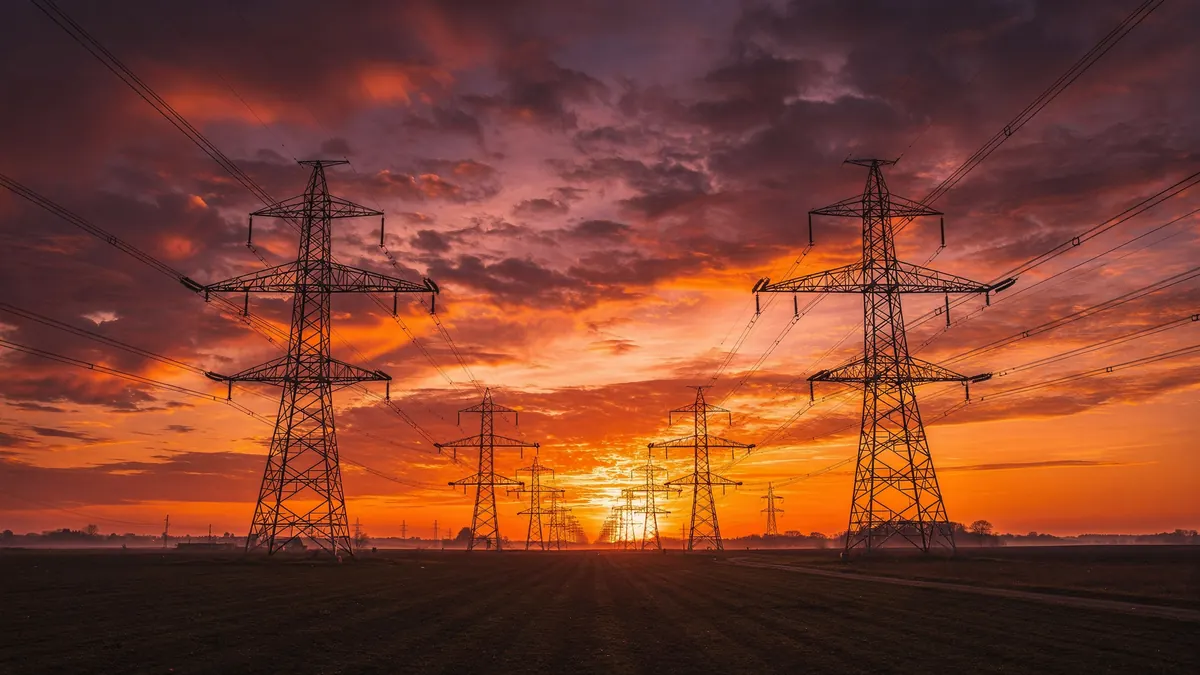
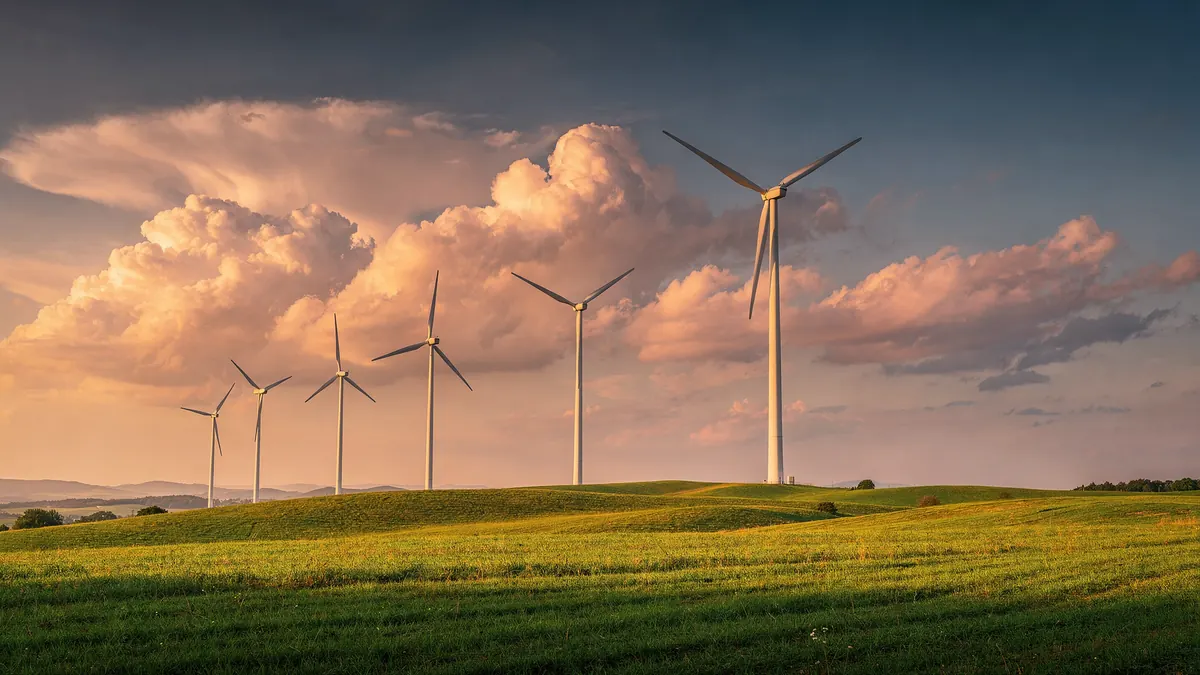
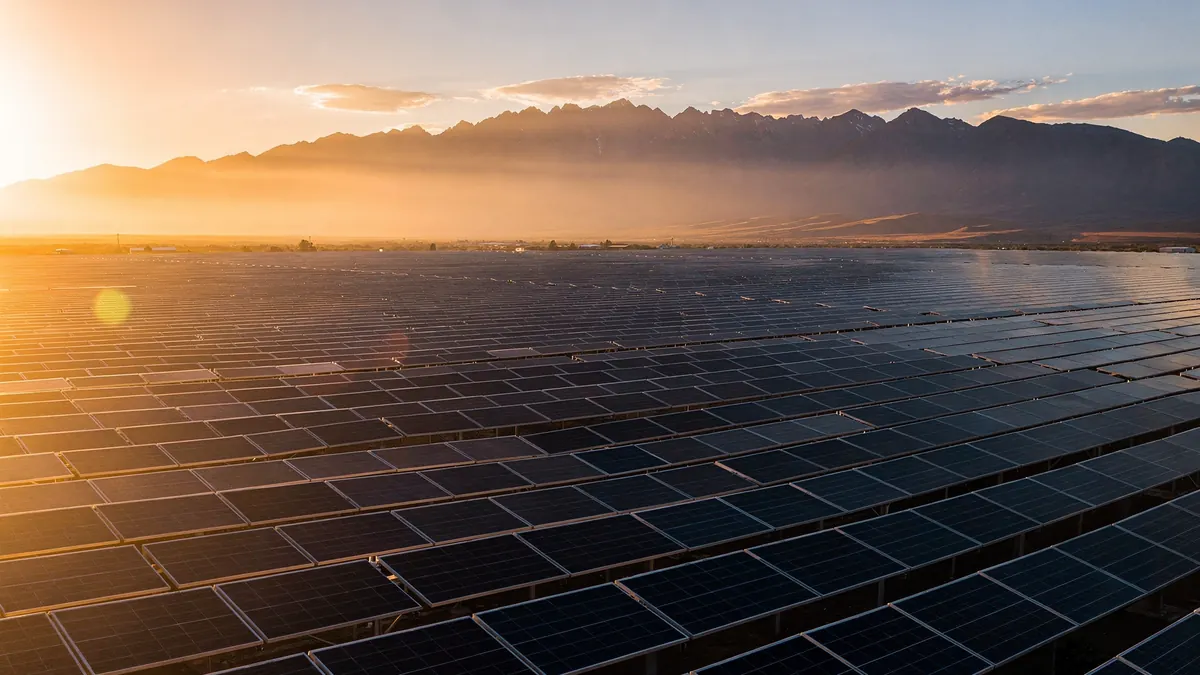
The generation mix sets the floor. Markets with nuclear y hydro baseload — Francia (67% nuclear), Suecia, Noruega (about 88–90% hydro), Eslovaquia y Hungría — insulate their wholesale prices from gas markets. Gas still sets the marginal price across most of the continent, which is why Irlanda (gas-dependent, limited interconnection) tops the table while nuclear-heavy Francia sits in the cheaper half. Renewables covered 49.9% of EU electricity consumption in 2025 (Eurostat, provisional), y every additional sunny or windy hour shaves the day-ahead price — midday solar has pushed German y Spanish prices toward zero at times, with the savings spread through annual averages.
Taxes y network charges do the rest. Across the EU, taxes y levies made up 28.4% of the household price in the first half of 2026, per Eurostat. The wedge ranges from net-negative in the Países Bajos (−10%, where the energy-tax rebate exceeds VAT y levies) y 6% in Malta to 34% in Alemania y 47% in Polonia. Network charges — approved by national regulators — recover the cost of grids that must now absorb heat pumps, EVs y rooftop solar simultaneously, y they rise independently of wholesale markets, which is why bills in green grids like Austria's remain high.
Market design y politics decide who feels the swings. Hungría's capped universal tariff has not moved meaningfully in three years; Rumanía's cap unwound in 2025 y its price jumped almost half in twelve months; Dinamarca's levy reforms y cheaper wholesale power cut its price by nearly a third in a year. Spot-linked markets (Noruega, Suecia, Estonia, Finlandia) pass volatility to households directly, while regulated markets (Eslovaquia, Bulgaria, Malta) smooth it away — usually at a fiscal cost someone pays eventually.
Crisis measures have mostly ended. The blanket price caps, VAT cuts y per-kWh subsidies of 2022–2024 are winding down across the continent; what remains is targeted support for vulnerable households. The structural story is electrification: heat pumps y EVs multiply consumption per household, making the per-kWh price — y tariff design — more important every year. Our country pages document each market's numbers y sources in detail.
FAQ
What is the average household electricity price in Europe en 2026?
€0.2832 per kWh in the first half of 2026, per Eurostat (dataset nrg_pc_204, band DC — households consuming 2,500–5,000 kWh a year, all taxes y levies included). That is down 2.2% from €0.2896 in the second half of 2025.
Which European country has the most expensive electricity?
Irlanda, at €0.3871 per kWh in the first half of 2026 (per Eurostat, taxes included) — 37% above the EU average. Alemania (€0.3618) y Bélgica (€0.3575) follow. Outside the EU, the UK's capped 26.32p per kWh (about €0.31) also sits above the EU average.
Which European country has the cheapest electricity?
Hungría, at €0.1139 per kWh in the first half of 2026 (per Eurostat) — 60% below the EU average — thanks to a capped universal tariff in place since 2013. Malta (€0.1268) y Bulgaria (€0.1341) complete the bottom three.
Why do electricity prices differ so much between European countries?
Four factors: the generation mix (nuclear y hydro-heavy markets like Francia y Noruega insulate bills from gas prices), taxes y levies (from −10% of the price in the Países Bajos to 47% in Polonia, per Eurostat 2026-S1), market design (regulated tariffs in Hungría or Eslovaquia versus spot-exposed markets like Noruega), y interconnection — isolated grids like Irlanda y Chipre pay a premium.
What does the Eurostat household price include?
Everything a household pays per kWh: the energy component, network charges, renewable y policy levies y VAT — averaged over the standard band DC (2,500–5,000 kWh/year) y weighted to actual national consumption. Standing or fixed fees are typically bundled into the reported average, but your own bill depends on tariff y region.
How can I pay less for electricity in Europe?
Comparar tariffs every 12 months (default products are rarely cheapest), check eligibility for your country's social or vulnerable-customer tariff, use time-of-use rates for EVs, heat pumps y wet appliances, y consider rooftop solar where self-consumption is allowed. Your national regulator publishes official price comparisons — see each country page on this site for links.
Fuentes: Eurostat — Estadísticas de precios de la electricidad (dataset nrg_pc_204, first half of 2026); Eurostat renewable energy statistics (2025 provisional); World Nuclear Association (2024); Ofgem (UK price cap, October 2026); ElCom/ELC y the Swiss Federal Office of Energy (Suiza). Estimates are informational — verify your own tariff with your supplier or national regulator.