Electricity Prices in Germany (2026)
Germany has the second most expensive household electricity in the EU: €0.3618 per kWh in the first half of 2026, per Eurostat — 28% above the EU average, though down from €0.3835 a year earlier as wholesale prices eased.
By the EnergyPrices Europe editorial team · Updated $1
Key numbers at a glance
| Germany — household electricity | Price (EUR/kWh, taxes incl.) | Annual bill at 3,500 kWh |
|---|---|---|
| First half of 2026 | €0.3618 | €1,266.30 |
Per Eurostat (dataset nrg_pc_204), first half of 2026, consumption band 2,500–5,000 kWh a year (band DC), all taxes and levies included. EU average: €0.2832/kWh.
Electricity prices in Germany: the numbers
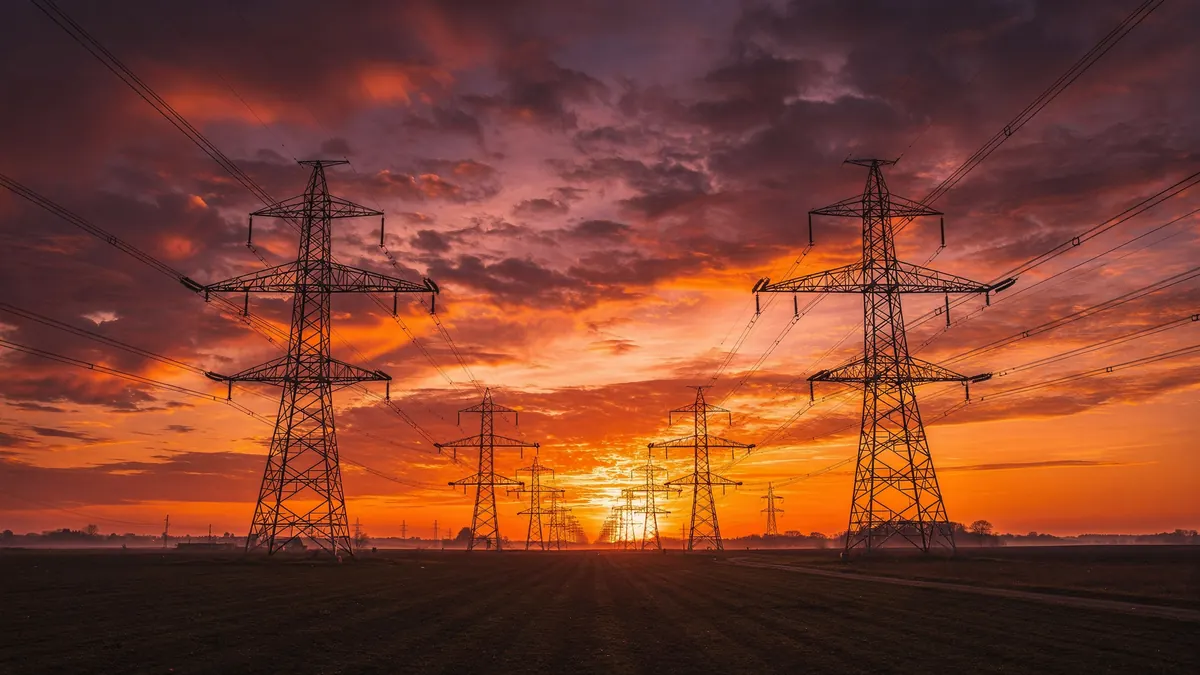
Germany lands at €0.3618 per kWh for households in the first half of 2026, per Eurostat — above the EU average of €0.2832 by 28% — the 2nd highest of the 27 EU member states. The price fell 6% year on year (from €0.3835 in the first half of 2025). The table tracks the last three semesters:
| Period (band DC, taxes incl.) | EUR per kWh | Change |
|---|---|---|
| First half of 2025 | €0.3835 | — |
| Second half of 2025 | €0.3869 | +0.9% vs S1 |
| First half of 2026 | €0.3618 | -6.5% vs S2 · -5.7% YoY |
Per Eurostat, electricity prices for household consumers, dataset nrg_pc_204 (band DC = 2,500–5,000 kWh/year, all taxes and levies included). In Germany, the price fell 6% year on year (from €0.3835 in the first half of 2025).
What the price is made of: energy, networks, taxes
| Component (2026-S1) | EUR per kWh | Share |
|---|---|---|
| Energy, supply and network (ex taxes) | €0.2388 | 66% |
| Taxes, levies and VAT | €0.1230 | 34% |
| Total (all-in) | €0.3618 | 100% |
The Eurostat figure is an all-in average: the energy component, network charges, levies and VAT together. In Germany, taxes, levies and VAT made up 34% of the household price in 2026-S1 (the ex-tax price was €0.2388/kWh per Eurostat). Network costs in particular are set or approved by the Bundesnetzagentur and change on regulatory cycles, not with the wholesale market.
Standing charges in Germany
German bills are overwhelmingly per-kWh: the metering base fee (Zählergrundpreis) is a few euros a month, and there is no daily standing charge. The price differences between default and competitive suppliers in Germany are among the EU's largest, so the headline €0.3618 average conceals a wide band.
Typical annual electricity bill in Germany
| Annual consumption | Approximate annual cost (all-in rate) |
|---|---|
| 2,500 kWh (low user) | €904.50 |
| 3,500 kWh (mid-range EU household) | €1,266.30 |
| 4,500 kWh (higher-use household) | €1,628.10 |
Computed at the all-in Eurostat rate of €0.3618/kWh (2026-S1); fixed fees are excluded — see the standing-charge section above. Typical household consumption is around 2,500–4,000 kWh; electric heating homes are a minority, but heat-pump owners should expect 4,000–6,000 kWh or more.
What drives prices in Germany
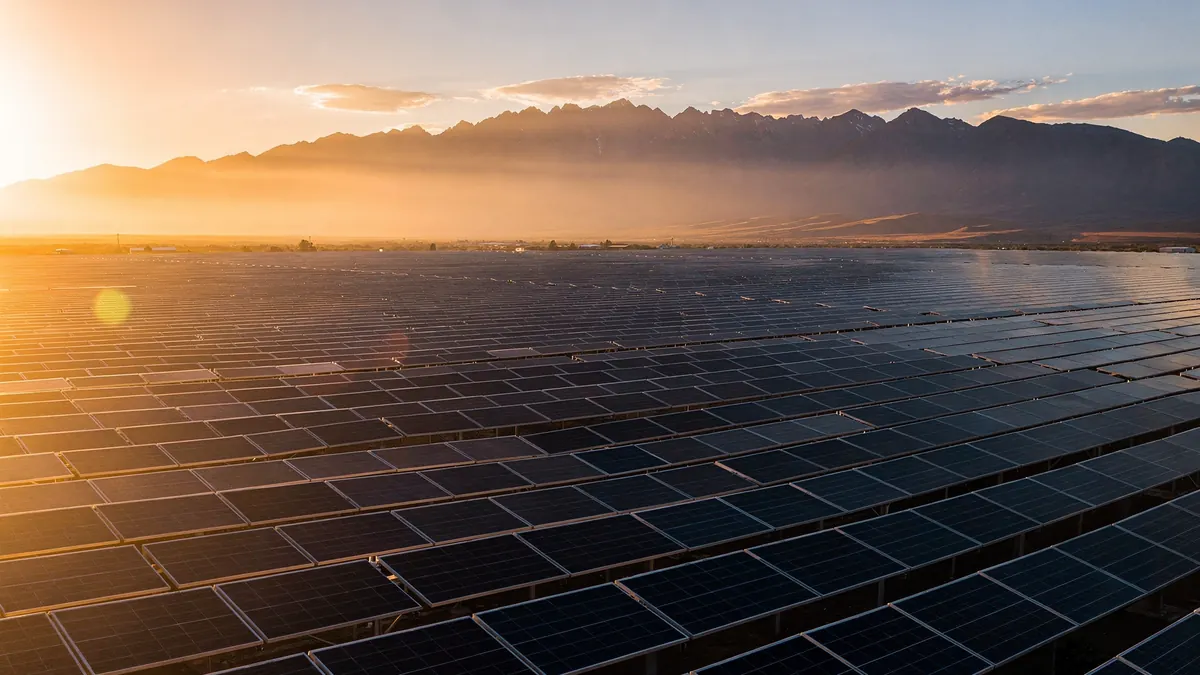
Generation mix. Renewables covered 57.9% of German electricity consumption in 2025 (Eurostat, provisional) — wind in the north, solar across the south, biomass everywhere — after the last three nuclear plants shut in April 2023. Coal and gas still fill the gaps, and grid bottlenecks between windy north and industrial south mean Germany sometimes pays high redispatch costs and exports cheaply while southern consumers import expensively. On the numbers: renewables covered 57.9% of gross electricity consumption in 2025 (provisional), per Eurostat's renewable energy statistics.
Market structure and wholesale exposure. Germany's retail market is fully liberalized, with the Bundesnetzagentur supervising network charges and thousands of suppliers competing. The EEG surcharge that funded renewables was abolished in July 2022 (funding moved to the federal budget), but network fees — including costs for offshore grid connections and redispatch — plus the electricity tax and 19% VAT keep the final price high. The ex-tax price of €0.2388/kWh against the €0.3618 all-in figure shows taxes and levies at 34%, second only to Poland in the EU.
Taxes, levies and policy. The government capped network fees for some customer groups in 2024 and reformed the industrial price landscape in 2025; household relief now runs through the reduced network-charge tiers rather than a broad subsidy. Compare tariffs on the Bundesnetzagentur or Verivox platforms — switching saves Germans real money in this fragmented market.
Neighbouring markets tell the rest of the story: compare electricity prices in Austria and electricity prices in Netherlands, or see the full European price comparison.
How to pay less for electricity in Germany
Three levers move almost every European bill. First, tariff choice: check whether you are on a default, universal-service or legacy product, and compare it against current fixed and spot-linked offers — in markets like Germany the spread between the cheapest and default tariff regularly runs 10–20%. Use the Bundesnetzagentur's official comparison tool where one exists.
Second, consumption timing and efficiency: night or time-of-use tariffs, heat-pump and insulation upgrades, and shifting washing and EV charging off evening peaks cut bills without cutting comfort. Third, self-generation: rooftop solar pays back fastest in high-price markets — at €0.3618/kWh, every self-consumed kWh is worth roughly that much at retail. Verify support schemes and current tariffs with the Bundesnetzagentur (bundesnetzagentur.de) before committing.

FAQ
What is the price of electricity in Germany in 2026?
€0.3618 per kWh for a typical household in the first half of 2026, per Eurostat (dataset nrg_pc_204, consumption band 2,500–5,000 kWh a year, all taxes and levies included). That is the 2nd highest of the 27 EU member states, 28% above the EU average of €0.2832.
What does the Eurostat household electricity price include?
Eurostat reports the all-in price per kWh: the energy component, network charges, renewable and policy levies, and VAT — averaged over households consuming 2,500–5,000 kWh a year (band DC), weighted to that country's actual consumption. It is the closest thing to a comparable household price across Europe, but your own bill will differ with tariff, region and consumption.
Is there a standing charge on electricity in Germany?
German bills are overwhelmingly per-kWh: the metering base fee (Zählergrundpreis) is a few euros a month, and there is no daily standing charge. The price differences between default and competitive suppliers in Germany are among the EU's largest, so the headline €0.3618 average conceals a wide band. Where fixed fees exist, compare offers on total cost — energy per kWh plus fixed fee — not on the headline rate alone. The Bundesnetzagentur publishes approved tariffs.
Why is electricity in Germany expensive compared with the EU average?
Renewables covered 57.9% of German electricity consumption in 2025 (Eurostat, provisional) — wind in the north, solar across the south, biomass everywhere — after the last three nuclear plants shut in April 2023. Coal and gas still fill the gaps, and grid bottlenecks between windy north and industrial south mean Germany sometimes pays high redispatch costs and exports cheaply while southern consumers import expensively. The government capped network fees for some customer groups in 2024 and reformed the industrial price landscape in 2025; household relief now runs through the reduced network-charge tiers rather than a broad subsidy. Compare tariffs on the Bundesnetzagentur or Verivox platforms — switching saves Germans real money in this fragmented market. The all-in price of €0.3618/kWh stands 28% above the EU average of €0.2832 (Eurostat, 2026-S1).
How much is a typical annual electricity bill in Germany?
At the 2026-S1 Eurostat rate of €0.3618/kWh, a household using 3,500 kWh a year pays about €1,266.30 — roughly €868.32 to €1,519.56 across the 2,400–4,200 kWh range. Fixed fees are excluded; add them where they apply.
How can I reduce my electricity bill in Germany?
Compare tariffs regularly (including fixed versus spot-linked products), switch heavy usage to cheaper time-of-use windows where available, invest in insulation or a heat pump if your heating is electric-resistive, and consider rooftop solar where regulation allows self-consumption or net metering. Verify current offers and schemes with the Bundesnetzagentur.
Sources: Eurostat — Electricity price statistics and dataset nrg_pc_204; Eurostat renewable energy statistics; World Nuclear Association (2024); the Bundesnetzagentur. Figures are period averages — always verify your own tariff with your supplier or the Bundesnetzagentur. See the full European overview or our comparison of all 30 markets.